What does Creative Event Production mean?
Currently audiences expect more than just presentations and staging when they go to an event – they expect immersive, memorable experiences. They want to be wowed.
Create event production is what transforms a standard event into something people remember, share, and talk about long after the event has ended.
Creative event production combines:
- Technical expertise
- Creative direction
- AV and staging
- Content design
- Lighting and sound
- Hybrid / virtual integration
- Audience interaction
- Experience design
All of this combines to create a seamless event journey that feels intentional from start to finish. Creative event production should feel effortless to attendees – even though huge planning and co-ordination happens behind the scenes.
How do ideas turn into real event designs?
One of the most exciting aspects of our event production work is seeing a creative idea evolve into a fully immersive live experience.
What may begin as a simple concept or objective gradually becomes a carefully designed environment that shapes how attendees feel, interact, and engage throughout the event.
The process typically starts with understanding the purpose of the event; is this a product launch, conference, awards ceremony or hybrid experience? Every design decision should support the overall message and audience experience.
From this, our creative team begins developing ideas around;
- The event theme
- Visual identity
- Atmosphere
- Audience journey
There are many ways the creative team can develop their ideas further, keep reading to see the areas they explore.
Stage and set design
How the stage and set looks and feels gives the attendees a glimpse into what is expected from this event. If they are captivated straight away, they are going to be more engaged throughout the event.
The best ways to do this include;
- Dynamic staging
- LED walls
- Branded environments
- Flexible layouts
Lighting Design
Lighting can make a big impact to your event; it can truly make or break the attendee’s perception.
Some great ways to use lighting design include;
- Mood creation
- Transitions between sessions
- Highlighting speakers and moments
Audio
Quality audio is paramount to your event, if your attendees can’t hear what’s being discussed, they will leave feeling disheartened and confused.
Sound is important to your event because;
- It gives the audience clarity and consistency
- Music cues help build up the atmosphere
- Supports storytelling
Content and Visuals
Make sure your attendees are invested from the moment they walk through the doors; you want the first thing they see to be fun and engaging.
Think of items such as;
- Motion graphics
- On-screen branding
- Speaker support content
- Interactive elements
All these tools tie together to create a seamless event, if you drop the ball on one of these then the event could fall apart. Which is why it is important to think of these as you are at the beginning of planning the event rather than halfway through.
Mood boards and mock-ups
When you initially start planning your event, it’s important to think strategically. Rather than jumping straight into set designs and finalising your ideas, start smaller with mood boards and mock-ups.
Creative ideas need to be visualised in a way that allows teams and clients to fully understand the direction of the experience.
Mood boards are often one of the first steps in translating an idea into a visual concept, they help define the overall look, feel, and atmosphere of an event.
When creating a mood board, it’s a great idea to look at;
- Colour palettes
- Textures
- Lighting styles
- Staging ideas
- Branding references
- Visual themes
Rather than focusing on the technical detail, mood boards are designed to capture emotion and creative direction, helping everyone involved on the project align on the event vision from the outset.
Once the creative direction is approved, mock-ups and visual renders begin turning those ideas into realistic event designs.
These mock-ups and visual renders can include;
- Stage layouts
- Screen designs
- Room configurations
- Lighting concepts
- Branded environments
All these show how the event may look in the live space, it allows production teams and clients to visualise how all elements will work together before build and installation begins.
This stage of the creative process is particularly valuable because it gives teams the opportunity to refine ideas, test creative approaches, and make adjustments early in the planning process.
Staging, lighting and set design
Staging, lighting and set design are some of the most powerful tools in creative event production. Combined, they shape the atmosphere of an event, influence audience perception, and help transform a venue into an immersive brand experience.
Staging
The stage is often the focus point of any event, making the design a key part of the audience experiences.
A well-designed stage does more than simply provide a platform for speakers or performers, it;
- Supports storytelling
- Directs attention
- Creates visual impact
From large-scale conference stages and product launches to intimate panel discussions, and hybrid broadcast setups, staging should always reflect the purpose and tone of the event.
Set design
Set design works alongside staging to bring the creative concept to life visually. This can include;
- Branded scenic elements
- LED walls
- Digital backdrops
- Custom builds
Effective set design helps create a cohesive environment that feels engaging for the audience.
Lighting
Beyond visibility, lighting helps create mood, energy, and emotion throughout the event. Different lighting styles can completely change the atmosphere of a space, whether the goal is to create excitement during a product reveal, professionalism during a keynote presentation, or intimacy during networking sessions.
Lighting also plays a crucial role in directing audience focus, supporting transitions, and enhancing stage visuals.
Modern event production increasingly combines creative lighting with technology such as;
- Intelligent lighting systems
- Projection mapping
- Dynamic LED displays
These elements can be synchronised with content, music and live moments to elevate audience engagement and create memorable experiences.
Staging, lighting and set design are about far more than aesthetics. When carefully planned and executed, they help communicate brand identity, support storytelling and create a seamless experience that leaves a lasting impression on attendees.
Allow time for networking, breaks, and audience interaction. A focused agenda is often more effective than an overloaded one.
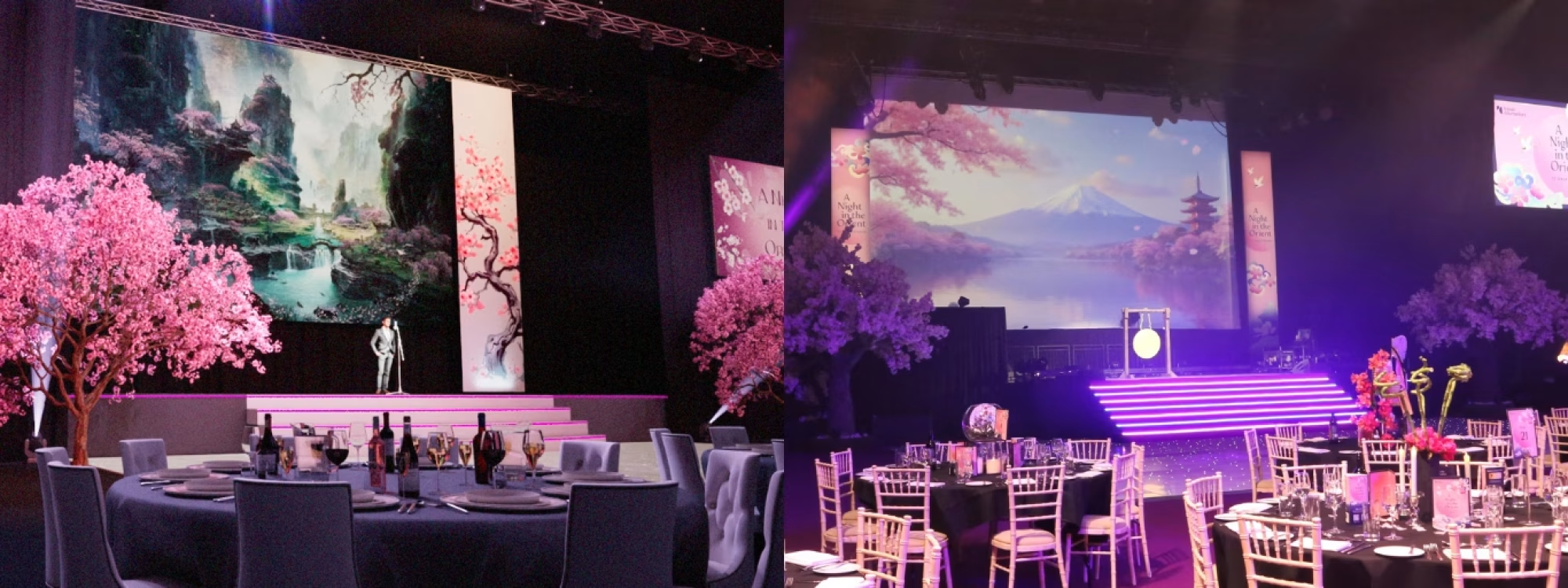
Before vs after examples from real events
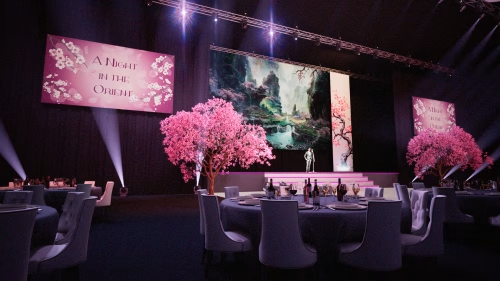
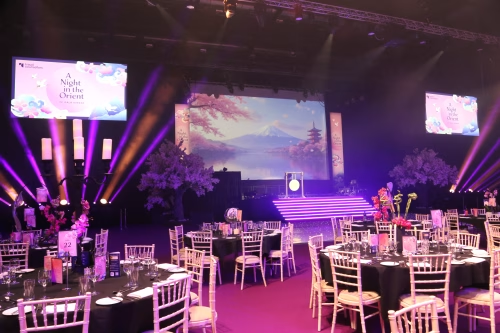
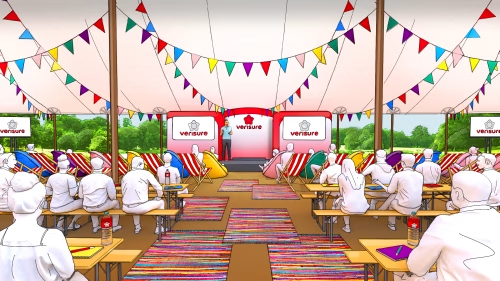
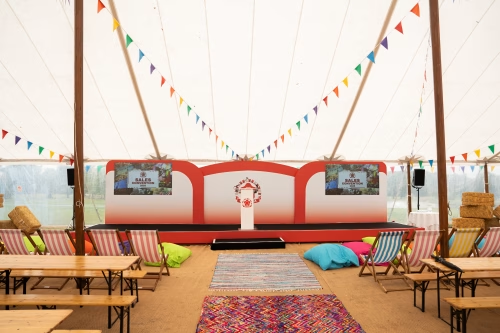
We know how important it is to visualise concepts before build and installation which is why our creative team create mock-ups and visuals for the team and our clients.
Along the way, from initial concept to build, there are a few tweaks here and there but how great does the live concept look compared to the mock-up? We think our team smashed these briefs!
Jonny Creative Designer
“We take great care to put the creative process at the centre of every project. The team work so well together creating outputs that are truly unique and special. Our clients are often surprised by how accurate our renders are to the final product and I’m so proud of the experiences we deliver time after time. I know our clients are too”
How can Sparq help?
Sparq’s creative, technical and event management teams work together to deliver innovative experiences tailored to each client’s unique goals.
Bring your event to life with the help of our teams, we ensure your event is visually compelling, strategically aligned and engaging for your audience.
If you are looking for a Creative Event Production team who can turn your ideas into an exciting and immersive experience for your guests, contact the team today!