
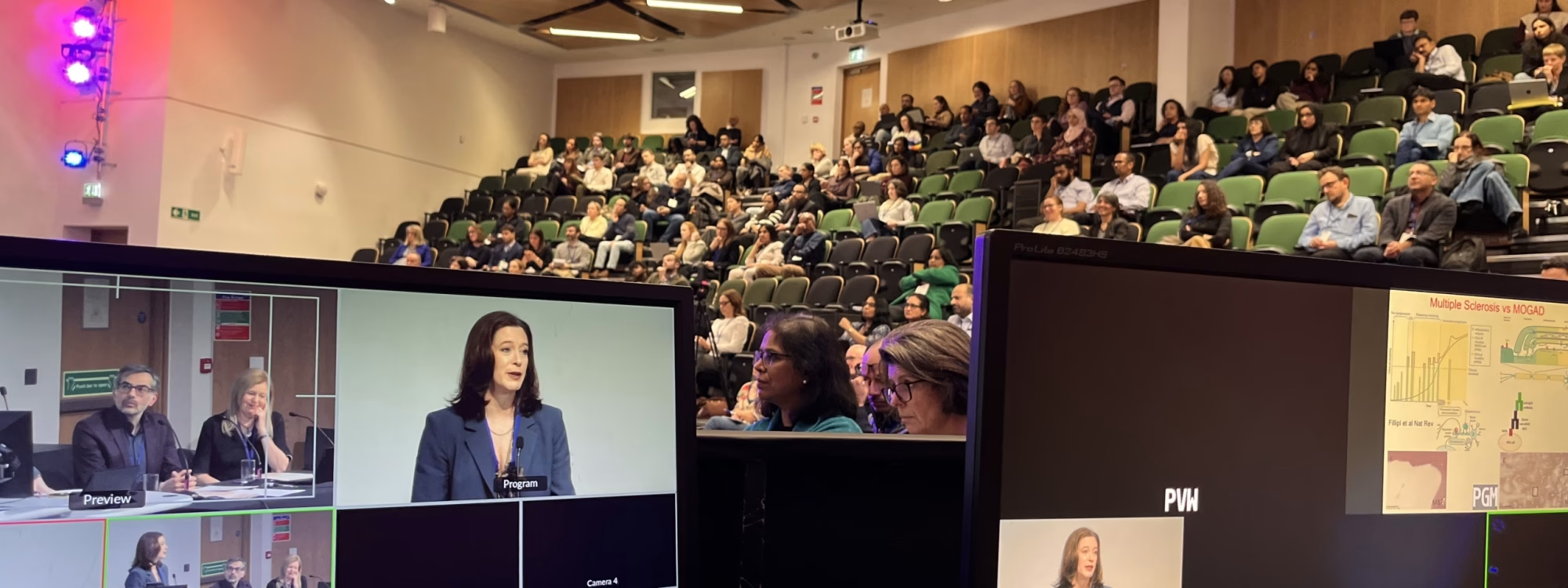
Corporate events involve countless moving parts, from venues and technology to content and attendee experience. Even with the best intentions, small mistakes can quickly impact engagement, budgets and event outcomes.
Here are 10 of the most common corporate event mistakes we see, and how to avoid them.
1. Leaving event technology until the last minute
Technology is often one of the last considerations during event planning, but it plays a critical role in the attendee experience.
How to avoid it:
Bring your event production partner into the planning process early. This helps identify technical requirements, potential challenges and opportunities to enhance the event from the outset. Our team work with clients to build their event ensuring the challenges and opportunities are investigated in advance of rigging.
2. Choosing a venue based on appearance alone
A venue may look impressive, but does it support the needs of your event?
How to avoid it:
Consider practical factors such as power, internet connectivity, ceiling height, loading access and acoustics before making a decision. Speak to the venue team about your goals for your event and ask how they would make this work.
3. Trying to fit too much into the agenda
It can be tempting to squeeze in as much content as possible, but packed agendas often lead to disengaged audiences.
How to avoid it:
Allow time for networking, breaks, and audience interaction. A focused agenda is often more effective than an overloaded one.
4. Underestimating the importance of audio
Poor sound can quickly impact the attendee experience, regardless of how strong the content is.
How to avoid it:
Ensure audio requirements are carefully considered, particularly for larger spaces, panel discussions and audience Q&A sessions.
5. Treating hybrid attendees as an afterthought
Hybrid events require more than simply adding a camera to the back of the room.
How to avoid it:
Plan separate engagement opportunities for both in-person and virtual audiences to ensure everyone feels included.
6. Forgetting about audience engagement
A series of presentations alone may not keep attendees engaged throughout the day.
How to avoid it:
Consider live polling, Q&A sessions, networking opportunities, and interactive content to keep audiences involved.
7. Not having a backup plan
Even the most carefully planned events can face unexpected challenges.
How to avoid it:
Prepare contingency plans for presentations, connectivity, speakers and key pieces of technology.
8. Overlooking the delegate journey
Attendees remember the entire experience, not just what happens on stage.
How to avoid it:
Think about every touchpoint, from registration and arrival through to networking, catering and event close.
9. Missing opportunities to be more sustainable
Sustainability is becoming an increasingly important consideration for business and attendees alike.
How to avoid it:
Look for ways to reduce waste, minimise transport, use digital materials, and work with suppliers who share your sustainability goals.
Read our previous blog on Sustainable Corporate Events for more tips.
10. Bringing suppliers in too late
Suppliers can often add value beyond simply delivering a service.
How to avoid it:
Engage key partners. Their expertise can help improve planning, identify efficiencies and create better event experiences.
Getting the fundamentals right
Most event challenges can be avoided with early planning, clear communication and the right support. By considering these common pitfalls from the outset, you can create smoother, more engaging events that deliver a better experience for everyone involved.
Whether you’re planning a conference, awards evening, product launch or hybrid event, taking the time to get the fundamentals right can make all the difference.
Want further guidance on how to make your event stand out and be successful?